It may look like one, but pain is not a sensation.
Reducing it to a simple sensory phenomenon that could be controlled locally is a good way to run into repeated clinical failures.
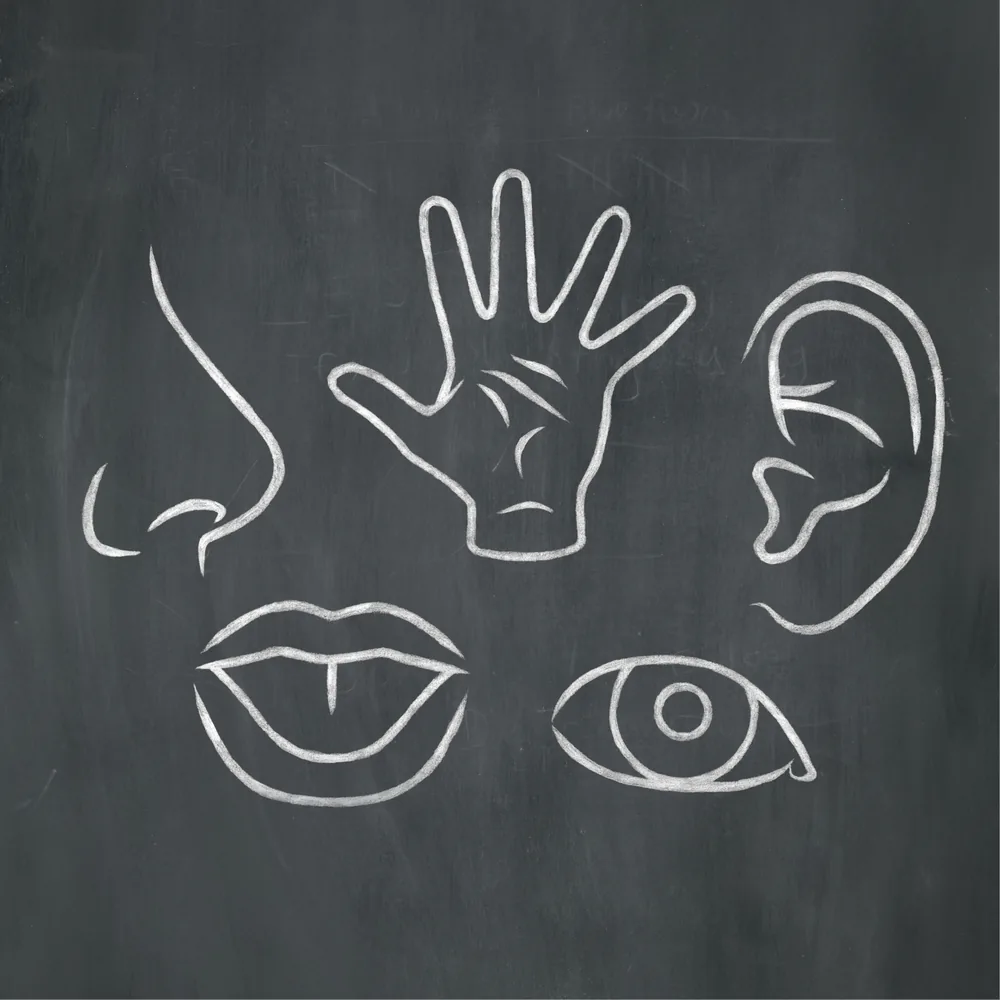
Classically, sensations belong to the five senses. Today we add proprioception, thermoception, interoception and equilibrioception. Some even include nociception, on the grounds that it relies on specific receptors. But that equivalence is misleading. Pain cannot be reduced to nociception.
It is a more complex process, and it differs from a sensation in that it is always unpleasant and its function is exclusively protective. It forces us to react, to adapt our behavior.
Since 1979, the IASP (International Association for the Study of Pain) has defined pain as an "unpleasant sensory and emotional experience". That definition was revised in 2020 with notes underlining the many factors involved. They confirm that pain must not be confused with what is improperly called a "sensation", and they recognize that it is the result of a three-stage process, of which nociception is only the starting point.
The confusion comes from the fact that, as with touch, pain is perceived where it originates. Yet the central organ of pain is the brain, not the nociceptors.
In everyday language, the word sensation describes both the reception of information by the receptors (I hear a piece of music, for example) and its interpretation (I like this music). The ear is only the sensor. It is neither the judge nor the seat of the pleasure or displeasure the music may produce. Only when the sensors are activated by too strong a stimulus can pain arise. We then move from the sensory to the painful.
Pain differs from a sensation in that it is always unpleasant and its function is exclusively protective, in the same way as inflammation or immunity.
Treating pain is therefore not only about blocking a nociceptive input. It means anticipating, understanding and mastering the whole pain process.
In dentistry, that means:
- Knowing the physiology of pain and the three stages of the process
- Putting in place the strategies that allow total pain control,
in order to improve the patient experience, the quality of care, and the calm of the practitioner and the dental team, all at once.